Does your child have a speech or language disorder?
Or have you noticed they may not be developing their communication skills at the same pace as other children?
Are you wondering whether it’s something they’ll grow out of — or if they might benefit from extra support?
If so, you’re not alone.
Many parents have these questions, especially in the early years when development can vary widely from child to child.
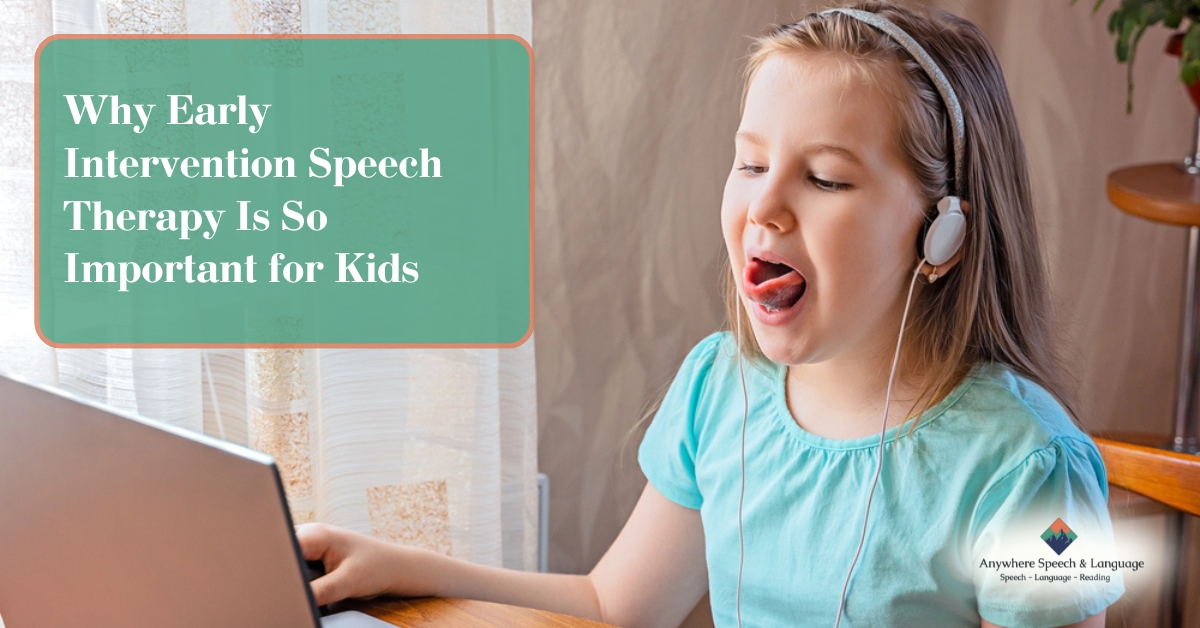
Early intervention speech therapy focuses on identifying and supporting speech and language challenges as early as possible, during the most important stages of a child’s development.
Getting support early can make a meaningful difference in how children learn to communicate, connect, and build confidence.
In this article, we’ll explore what early intervention speech therapy is, why it’s important, and which children may benefit from it.
We’ll also look at common signs to watch for and when it may be the right time to seek support.
What Is Early Intervention Speech Therapy?
Early intervention therapy involves identifying and providing speech therapy for any developmental differences or delays your child may be experiencing as early as possible.
The aim is to provide proactive intervention during your child’s critical stages of growth.
This means addressing their speech and language challenges early on, typically between birth and preschool age.
Early intervention provides your child with the highest chances of successfully developing their speech and language skills and meeting typical developmental milestones.
If your child is demonstrating differences in communicating, early intervention speech therapy can help.
It can help your child develop their abilities and reduce the possibility of long term or persistent issues.
Early intervention also involves coaching and support for family members and caregivers.
With early intervention and family support, your child has the best chances to develop and enhance their speech.
Why Is Early Intervention Therapy Important for Kids?
The ability to communicate effectively is crucial for navigating everyday life and reaching developmental milestones.
Identifying any speech challenges or delays early on can allow for proactive intervention to enhance speech and minimize further potential issues.
Some common early signs of speech-related challenges or delays can include:
- Limited vocabulary
- Difficulty combining words into sentences
- Difficulty understanding others
- Difficulty following directions
- Irregular speech
When children are in their first three years of life, their brains are more malleable in their ability to reorganize themselves.
This means kids are more adaptable to new experiences and learning.
Early intervention can help their brain better receive information and learn to communicate more effectively.
This also includes developing better communication skills such as listening, understanding, and social interaction.
Thys way, they can more effectively participate in social settings and activities.
As we’ve mentioned, speech and language development are crucial for your child’s overall development.
Speech and language challenges and delays can negatively affect their development in other areas, such as academic success.
Addressing challenges early on can help improve their writing and reading skills and their overall academic performance.
Additionally, if left untreated, speech and language challenges can further lead to compounding issues.
This can impede your child’s ability to acquire new and advanced skills.
Identifying their speech and language differences early can help address their issues and reduce the risk of compounding and persistent issues.
Keep in mind that early intervention isn’t just beneficial for your child, but for your family as well.
Parents and caregivers play an active role in their child’s development.
With the right strategies and coaching, you can participate in your child’s speech therapy and success.
Early intervention is also more cost effective, reducing the need for additional therapy interventions later on in life.
Ultimately, the most important aspect for early intervention therapy for kids is that it can improve their quality of life.
It can help them develop their skills to better communicate and stay on track with their developmental milestones.
RELATED ARTICLE: Is Your Child Behind on Speech Milestones? A Guide to Developmental Delays
Who Benefits from Early Intervention Speech Therapy?
Any child presenting with differences in their speech and language skills can benefit from early intervention therapy.
Remember that each child develops differently and at their own pace.
It’s common for some children to need a little more time and support to reach their developmental milestones.
Early intervention therapy can provide them with support to develop their communication skills properly.
However, there are certain conditions that can affect speech and which can significantly benefit from early intervention.
These can include:
- Autism
- Down syndrome
- Hearing loss
- Traumatic brain injury
- Cerebral palsy
- Apraxia of speech
- Dyslexia
- Dysarthria
- Fetal alcohol spectrum disorder
- And many others
RELATED ARTICLE: Autism Speech Therapy for Kids: Signs, Benefits, and When to Start
When Should You Seek Early Intervention Speech Therapy for Your Child?
The sooner the better.
If your child has any of the conditions listed above or is presenting with differences in their speech or language skills, book a consultation with a speech therapist as soon as possible.
Early intervention is most effective when implemented when you first notice your child has challenges.
This gives them the best chance to enhance their speech and language and avoid further long-term complications.

Early Intervention Speech Therapy for Children (Online)
At Anywhere Speech and Language Therapy, our speech language pathologists will work with your child to address their speech and language challenges as soon as they’re noticeable.
This involves assessing their challenges, diagnosing the root cause, and creating a personalized treatment plan.
We offer speech therapy for a wide range of speech and language disorders, including:
- Articulation disorders
- Fluency disorders
- Voice disorders
- Swallowing disorders
- Cognitive disorders
- Language disorders
The focus of speech and language therapy is to help enhance your child’s communication skills.
This can help boost their confidence, support their academic and professional outcomes, and aid in social integration.
With early intervention therapy we can assess your child early on and implement a tailored treatment plan.
Keep in mind that when it comes to pediatric speech therapy, it can take time to see significant progress.
However, we’ll support your child with engaging and effective therapy sessions that also extend to the home, where parents can further assist children with daily practice.
In some cases, advanced tools and techniques may be used to help your child better communicate as they develop their speech.
Early intervention can help your child improve their communication abilities and improve their quality of life.
Book Your Appointment with Our Speech Therapy Clinic Today
Early intervention speech therapy can play a powerful role in shaping your child’s communication, confidence, and long-term development.
Recognizing the signs early and taking action gives your child the best opportunity to build strong foundational skills during critical stages of growth.
With the right support, many children make meaningful progress in how they express themselves, understand others, and engage with the world around them.
Speech therapy not only supports communication, but also helps improve social, academic, and everyday functioning over time.
At Anywhere Speech and Language Therapy, we provide personalized, online care for families across many states within the U.S., making it easier to access expert support no matter where you live.
Our team works closely with both children and caregivers to create practical, individualized plans that extend beyond each session.
If you have concerns about your child’s speech or development, early support can make all the difference.
Schedule an evaluation today and take the first step toward helping your child communicate with confidence and clarity.